
Companies now face a different kind of pressure. Teams grow fast, operations become messy, and leaders lose visibility quickly. Hiring alone no longer fixes those problems.
Firms now study how people work, communicate, and make decisions every day. AI also changed how companies review performance and operational issues.
Teams can now spot weak processes, leadership gaps, and workflow problems much faster. Because of that, human capital strategy now plays a much bigger role in business growth and operational planning.
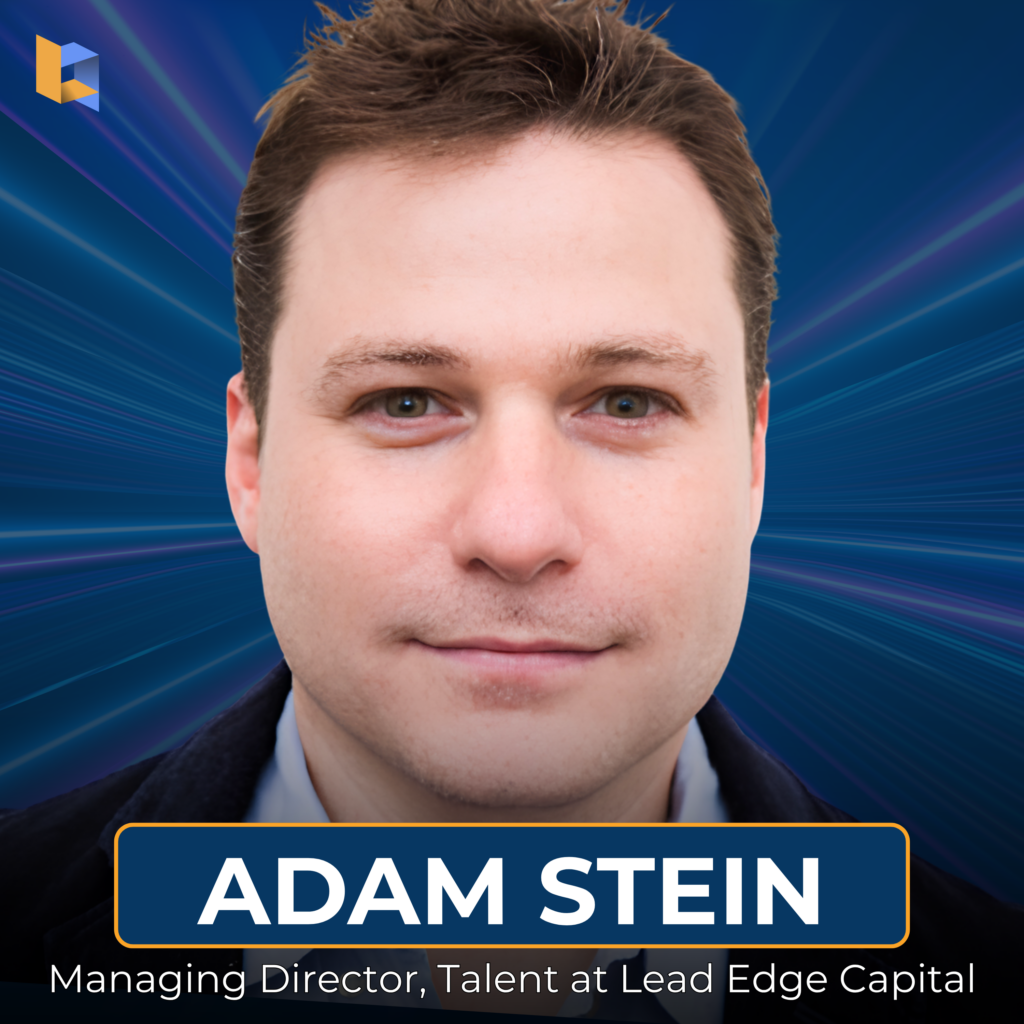
Moreover, investors want clear answers before deals close, not after problems appear. Many of the ideas in this article come from Adam Stein, Managing Director, Talent at Lead Edge Capital. He leads talent strategy and human capital operations across the firm’s portfolio companies.
His work includes executive hiring, leadership reviews, organizational design, HR operations, and talent assessment. He also supports investment diligence by reviewing leadership teams before deals close.
Over the past three years, he helped build Lead Edge Capital’s talent platform into a broader operational function. Today, that work supports nearly 50 portfolio companies.
Adam works closely with CEOs, deal teams, and operating partners to improve leadership, operations, and long-term growth using AI and behavioral analysis.
In this article, we will explore how firms use AI to fix operational problems and improve leadership decisions. We will also look at CEO assessments, organizational reviews, culture challenges, and the first 90 days after investment.
Moreover, we will understand why strong leadership and clear communication still matter most during company growth.
How Human Capital Strategy Uses AI to Fix Operations
Human capital teams now do much more than hiring. They help companies improve workflows, leadership, and daily operations. In many firms, this work starts before the investment closes.

Image Credits: Photo by Alena Darmel on Pexels
Why Human Capital Reviews Matter Early
During due diligence, firms study how the company actually works. They look at leadership, team structure, and communication flow. This helps spot weak areas early.
Fast-growing companies often face the same issue. Teams grow quickly, but roles stay unclear. Managers lose visibility, and communication becomes messy. Customer success teams especially struggle with this problem because tasks often overlap.
That’s where data becomes useful.
How AI Helps Identify Organizational Problems
Instead of relying only on meetings and opinions, firms now use AI tools to study team activity. They examine communication patterns and workflow behavior to understand how work gets done.
For example, communication analysis can reveal:
- Employees carrying too much work
- Teams that rarely communicate
- Managers slowing decisions
- Unnecessary layers inside departments
Interestingly, small patterns often expose bigger problems. One overloaded employee can affect an entire workflow. Moreover, disconnected teams usually create delays, confusion, and wasted effort.
Faster Decisions with AI Tools
AI also speeds up the review process. Tasks that once took weeks now take only days. Tools like Claude Code help teams process large amounts of operational data quickly. This allows firms to make faster and clearer decisions.
In some cases, companies reduce unnecessary roles or automate repetitive tasks. Other times, they redesign team structures completely. The goal isn’t simply cost-cutting. The real focus is on building a cleaner and more effective organization.
Interestingly, firms now use the same analysis internally. They review calendars, meeting patterns, and leadership workflows to understand where time gets wasted.
Human capital teams clearly play a different role today. They no longer focus only on recruitment. They now help companies improve performance through data, AI, and smarter organizational decisions.
How Human Capital Strategy Assesses CEO Performance
Strong leadership shapes almost every business result. That’s why firms closely assess CEOs after investing. However, not every CEO fits every company stage. Some founders suddenly lead much larger businesses.
Others become CEOs for the first time. Then some experienced leaders already know how to scale companies. Because of that, firms don’t use one fixed leadership model.

Image Credits: Photo by Yan Krukau on Pexels
What Firms Actually Look For
Firms care about more than revenue growth. They want to see how the CEO runs the business every day. They study whether the company has clear goals, strong leadership alignment, and smooth operations. If those pieces don’t connect properly, problems spread fast.
Interestingly, many business issues come from simple causes. Usually, firms find one of two problems:
- The wrong person in the wrong role
- A broken process is slowing the business
Once leaders identify the root issue, decisions become much easier.
Why Leadership Style Matters
Many investors prefer a ‘been there, done that’ CEO. However, that approach doesn’t always work.
Some companies already have founders leading the business. In those situations, firms must decide whether the current CEO can grow with the company. That’s why leadership reviews focus heavily on behavior, not just experience.
Reliable leaders follow through consistently. Curious leaders keep learning and improving. Open-minded leaders accept feedback instead of resisting it. These habits matter a lot during stressful periods and fast growth.
Why Behavior Reveals More Than Assessments
Psychometric tools like Hogan assessments help firms understand leadership patterns early. They provide useful signals around personality, reliability, and leadership style. However, assessments alone don’t provide the full picture.
Real behavior reveals far more over time. Board meetings, leadership reviews, and operational discussions quickly show how CEOs handle pressure and respond to feedback.
Honestly, early board meetings often look messy. Priorities feel unclear, discussions drift, and too much information appears everywhere. Yet those moments reveal whether leaders can adapt, improve, and guide the business forward confidently.
Why Human Capital Strategy Starts in the First 90 Days
Human capital work creates the strongest results when firms start early. If companies wait too long, leaders often become defensive, and progress slows down.

Image Credits: Photo by Thirdman on Pexels
Why the First 90 Days Matter
The first 90 days usually shape the company’s future direction. During this period, firms try to understand the leadership team, business priorities, and operational weaknesses as quickly as possible.
Leadership becomes the priority because weak leadership affects every part of the business. Firms usually focus on questions like:
- Does the company have the right leaders?
- Can the current team scale the business?
- Which problems need urgent attention?
- Where are the biggest growth opportunities?
Interestingly, CEOs often already know where some problems exist. However, they still need outside feedback and a clearer structure to address those issues properly.
Why Common Language Helps Teams Work Better
People problems often sound confusing at first. Someone might complain about teamwork or communication, but the real issue could be poor organization or unclear accountability.
That’s why talent teams spend so much time asking detailed questions. They help leadership teams describe problems more clearly and consistently.
Psychometric tools like Hogan assessments support this process. They create a shared language around behavior, reliability, communication style, and decision-making. However, assessments alone don’t provide enough insight. Real behavior still matters most.
Board meetings, employee surveys, and leadership discussions usually reveal whether leaders listen well, adapt quickly, and handle pressure effectively.
What Happens After Leadership Reviews
Once firms understand the leadership team, the focus shifts towards organizational structure and team performance. At that stage, companies begin reviewing:
- Department structure
- Middle management quality
- Performance systems
- Compensation alignment
This work takes time. Firms can assess leadership fairly quickly, but improving organizational structure often takes much longer.
That’s why human capital work doesn’t end after hiring decisions. It continues throughout the company’s growth and becomes a major part of long-term business success.
How Human Capital Strategy Guides Culture Through Growth
Human capital work doesn’t stop after hiring executives or improving operations. Companies keep facing new leadership and culture challenges as they grow, merge, and prepare for future deals.

Image Credits: Photo by Kampus Production on Pexels
Why Early Preparation Matters
Strong companies don’t wait until the last minute to fix leadership problems. Firms usually try to improve operations and leadership early, long before a sale or IPO discussion begins.
That approach matters because rushed changes rarely work well. Weak communication, unclear leadership, and messy operations become obvious very quickly during major deals.
Moreover, markets change fast. Sometimes companies have years to prepare for an IPO. Other times, strategic deals happen suddenly, and there’s little time to adjust anything properly.
Why Mergers Often Create Bigger People Problems
Mergers and add-on acquisitions can change a company overnight. A business might suddenly triple in employee size, and honestly, that creates real pressure on leadership teams. The financial side often gets most of the attention.
However, people and cultural issues usually create harder problems later. That’s why firms now spend more time reviewing:
- Leadership fit
- Team dynamics
- Communication styles
- Cultural differences
- Change management risks
Even then, companies still underestimate how difficult integration can become.
Why Human Relationships Still Matter Most
AI and data tools clearly help companies move faster. They improve analysis, decision-making, and operational reviews. However, people still want to feel heard by other people.
Employees open up more when leaders listen properly and build trust first. That human side still matters deeply, especially during stressful periods and organizational change.
Interestingly, honest conversations often reveal problems that reports and dashboards completely miss.
Why Executive Communities Create Long-Term Value
Many firms now build stronger communities across their portfolio companies. Instead of keeping leaders isolated, they connect CEOs and executives so they can learn from each other directly.
This creates stronger relationships, faster learning, and better leadership support over time. Moreover, shared experience often helps leaders solve problems much faster than working alone.
Conclusion
In the end, companies grow faster when leaders fix people’s problems early. Strong teams, clear goals, and better communication improve daily work quickly. That’s why human capital strategy now matters far beyond hiring alone.
AI helps firms spot weak processes, wasted time, and leadership gaps much faster. However, technology can’t replace trust, honesty, and strong leadership habits. People still want clear direction and real support during change.
The first few months often shape long-term business results. Companies that act early usually avoid bigger problems later. Moreover, firms that improve leadership and culture often build stronger operations over time.
Good leaders listen well, make clear decisions, and stay calm under pressure. That sounds simple, but honestly, many companies still struggle with it. Small issues often grow quietly, and then they slow everything down.
That said, businesses improve when leaders understand both people and performance clearly. Better decisions create stronger teams, smoother operations, and steady growth over time.
FAQs
Why does human capital strategy matter during company growth?
Human capital strategy helps companies stay organized as teams grow quickly. It improves communication, leadership, and team structure. Moreover, it helps leaders fix problems before operations become difficult to manage.
Can human capital strategy improve employee retention?
Yes, it definitely can. Employees usually stay longer when roles feel clear, and leadership feels supportive. Strong communication and fair management also improve workplace trust over time.
How does human capital strategy support remote teams?
Remote teams often struggle with communication and accountability. Human capital strategy helps companies create clearer workflows and stronger team alignment. That keeps remote work more organized and productive.
Why do investors care about human capital strategy?
Investors want businesses that operate smoothly and grow steadily. Weak leadership and poor communication often create hidden risks. That’s why investors now review people, culture, and operations much earlier.
Does human capital strategy only help large companies?
No, smaller businesses also benefit from it. In fact, fast-growing smaller companies often face people problems sooner. Early structure and clear leadership usually prevent bigger issues later.