
Companies spend huge amounts of money on growth, technology, and strategy every year. However, many still make leadership decisions through instinct and assumptions.
A strong CV or past title often feels enough. Yet business rarely works that simply. A leader can succeed in one company and struggle badly in another.
Teams differ, pressure changes, and culture shapes performance every day. That’s why more businesses now question how they assess leaders and measure performance. Clearly, human capital decisions now carry far more weight than many companies once believed.
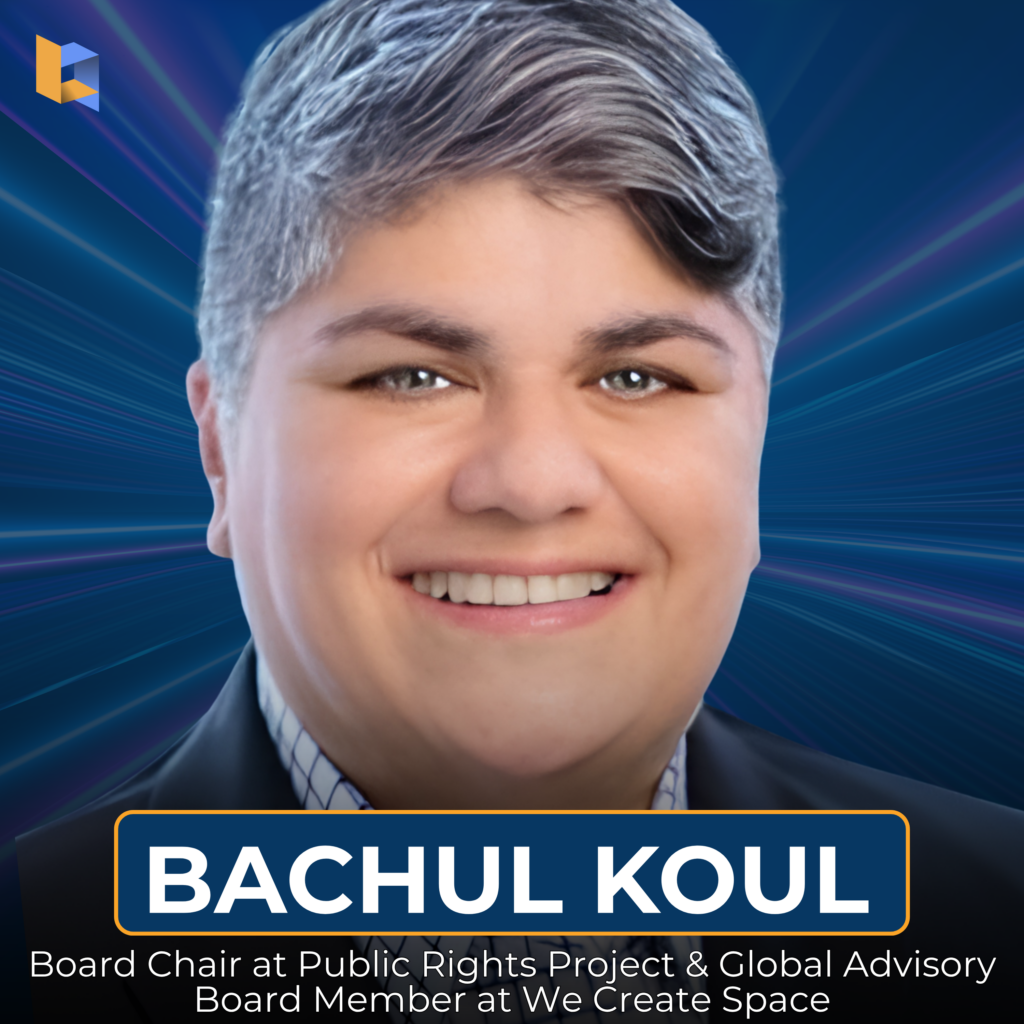
Much of this discussion comes from the work of Bachul Koul, an experienced operator, consultant, and leadership adviser. Bachul has worked across consulting, executive search, private equity, organizational design, and leadership strategy.
Their work focuses on helping companies connect business plans with stronger execution and better leadership decisions.
Instead of relying only on instinct, the focus stays on people analytics, leadership assessment, accountability, and business outcomes.
Moreover, Bachul works closely with executive teams and private equity firms to measure how leadership performance affects company results over time.
In this article, we will explore why many leadership decisions still lack proper rigor today. We will also look at why experience alone doesn’t predict success, why team dynamics matter, and why better assessment creates stronger results.
Moreover, we will examine how businesses can connect people data with company strategy, improve accountability, and make smarter long-term leadership decisions.
Why Human Capital Decisions Still Lack Real Rigor
Many companies still hire leaders based on one simple idea: ‘They’ve done it before, so they can do it again.’ It sounds sensible, but business rarely works that neatly.
A leader can succeed in one company and struggle badly in another. Teams differ. Pressure differs. Culture changes everything. However, many firms still treat experience like a safety guarantee.
This problem appears often in senior finance hiring. Companies keep searching for people with identical backgrounds, while strong internal talent gets ignored. That mindset feels safe, but it limits fresh thinking and growth.

Image Credits: Photo by Edmond Dantès on Pexels
Experience Alone Doesn’t Predict Success
Most organizations still focus too much on titles and not enough on context. They ask whether someone held the role before, but they don’t ask why that person succeeded. That’s the real question.
Strong leadership depends on more than intelligence or technical skill. Leaders also need to adapt quickly, handle pressure well, and work effectively with different teams.
A good assessment process should examine things like:
- Decision-making under pressure
- Communication style
- Ability to execute strategy
- Fit within the business environment
Simple scorecards help, but they don’t explain the whole person. Human behavior is messy sometimes. Honestly, that’s what makes hiring difficult.
Why Companies Need Better Talent Assessment
Most businesses measure money carefully. They track costs, growth, margins, and performance constantly. Yet many still assess people through instinct and assumptions. That gap creates risk.
Every new hire enters a larger system. Their choices affect culture, execution, and team performance. So companies need stronger links between business strategy and people strategy.
Moreover, organizations need leaders who can turn plans into action, not just people with impressive CVs.
The smartest companies already understand this shift. They don’t just ask whether someone succeeded before. They ask what created that success and whether those same conditions still exist today.
Why Quantifiable Human Capital Data Matters More Than Gut Feeling
Many companies still choose leaders based on instinct. Someone interviews well, sounds confident, and has a strong CV, so they seem like the right choice. However, leadership success rarely works that simply.
A leader always joins an existing system. They affect team dynamics, communication, trust, and execution. That’s why assessing only the individual creates blind spots.
Sometimes the person who looks less impressive on paper actually performs better inside the business. They fit the team more naturally and help people work together more effectively. Without proper data, companies often miss that.

Image Credits: Photo by Tima Miroshnichenko on Pexels
Why Team Dynamics Matter
Strong leadership assessment studies how people work together, not just how they perform alone. A CEO and CFO can both look highly capable, yet still create tension as a partnership. That tension slows decisions and weakens execution.
In some cases, deeper organizational analysis reveals something surprising. The people seen as ‘most influential’ are sometimes the ones quietly disrupting the scenes.
Leaders often trust the loudest voices because they appear powerful or connected. That’s where clear people data helps. It replaces assumptions with measurable insight.
Moreover, businesses need stronger links between company goals and leadership measurement. Many firms already define very clear targets around growth, cost reduction, acquisitions, and operational performance. Yet they often fail to connect those targets to executive accountability. That creates a gap between strategy and results.
Why AI Alone Won’t Fix the Problem
Right now, every business conversation seems to include AI. Honestly, it becomes difficult to ignore. However, AI doesn’t solve weak decision-making on its own.
Companies first need:
- Clear data strategy
- Strong technology support
- Reliable operational data
Without that foundation, AI simply adds more noise. The smartest firms already understand this shift. They combine people analytics, operational data, and predictive insight to make stronger leadership decisions before problems become expensive.
Why Executives Resist Human Capital Data And How Companies Can Change That
Many companies say they want data-driven leadership decisions. However, once people’s data enters the discussion, resistance appears fast. The biggest problem is trust.
Many executives still judge leaders through instinct and personal chemistry. If someone interviews well or feels impressive at dinner, they seem like the right fit. However, leadership success involves much more than confidence or charm.

Image Credits: Photo by Gustavo Fring on Pexels
Why Some Leaders Push Back Against Assessment
Some executives resist assessment because it feels personal. They worry it could expose weaknesses or damage reputations. Honestly, that fear often creates bigger issues than the assessment itself.
Good assessment is not about attacking careers. It helps companies understand how leaders actually work inside a business.
It can reveal:
- How leaders handle pressure
- How teams communicate
- Where conflict slows progress
- Why does execution keep breaking down?
Interestingly, simple questions often uncover the biggest gaps. Does a leader know their team’s career goals? Have they helped resolve tension between executives? Surprisingly often, the answer is no.
That’s where people’s data becomes useful. It highlights problems leaders already sense but cannot explain clearly.
Why Assessment Should Feel Like Development
Many companies’ position assessments are poorly done. They treat it like a test instead of a growth tool. That approach creates fear before the process even begins.
However, strong leaders often enjoy good assessments because they learn something valuable about themselves. Even when someone is not the right fit for one role, the process still provides useful insight. That matters. Leadership assessment should help people improve, not simply judge them.
Why Human Capital Data Must Join Business Strategy
Many firms still separate people data from wider business planning. That creates major blind spots.
Companies need stronger:
- Data sharing between teams
- Links between people and business goals
- Collaboration between HR and technology leaders
- Human capital measurement systems
At the same time, businesses keep talking about AI and analytics. However, those tools only work well with strong data foundations. Until companies treat analytics like financial data, leadership decisions will continue relying too heavily on instinct.
Why Human Capital Data Must Move Beyond Assessment Reports
Many companies now use leadership assessments, but they still waste most of the value. The real benefit doesn’t come from creating reports. It comes from using the insights properly afterwards.
Too often, companies review assessment results once, then forget about them completely. Honestly, that’s frustrating because those reports usually contain useful guidance for helping leaders succeed.

Image Credits: Photo by Gustavo Fring on Pexels
Why Objective Assessment Creates Fairer Decisions
Structured assessments help create a fairer hiring process. Instead of relying on personal chemistry or gut feeling, companies can evaluate people through realistic business situations. That changes things quickly.
Sometimes candidates get overlooked simply because they don’t match the familiar leadership image. However, when people solve problems inside simulations or behavioral exercises, their real strengths become much clearer.
Moreover, assessments help reduce bias because they focus on performance instead of comfort or similarity.
Ironically, the more senior the role becomes, the less rigorous companies sometimes are in applying. Leaders avoid difficult evaluations because they don’t want to upset egos or create tension. However, avoiding discomfort usually creates weaker decisions later.
Why Assessment Must Connect to Action
A good assessment should never stop at a report. Companies need a process that connects assessment directly to business execution and leadership growth.
That includes:
- Clear business goals
- Leadership alignment
- Ongoing coaching
- Team development
For example, if a company wants strong revenue growth, leaders should be measured against the actions driving that outcome. Businesses should also track communication, accountability, and execution along the way.
That’s where many organizations still struggle. They collect useful information, but they fail to turn it into a connected plan.
Why Performance Management Needs To Change
Current performance systems also create problems. Many companies still reward people for controlling large teams or budgets instead of delivering meaningful results. That approach no longer fits modern business needs.
Future organizations will likely focus more on project outcomes, shared accountability, and flexible teamwork. Human capital strategy must evolve with that shift. Otherwise, businesses will continue reacting to leadership problems instead of preventing them early.
Conclusion
In the end, companies can’t keep making leadership decisions through instinct alone. That approach creates risk, confusion, and poor results over time. Strong businesses study how people actually work, communicate, and perform under pressure. They also connect leadership decisions with clear business goals.
Moreover, a good assessment is not about judging people unfairly. It helps leaders grow, improve teamwork, and fix problems early. Sometimes the best candidate doesn’t look perfect on paper. However, they fit the business better and help teams perform well together.
That’s why human capital needs more attention inside modern businesses. Companies already track money closely, so they should track people’s decisions carefully too. Clear data, honest feedback, and strong communication create better outcomes. Without those things, businesses keep repeating the same hiring mistakes.
The smartest organizations already understand this shift. They combine data, judgment, and real business needs. As a result, they build stronger teams, make better decisions, and create healthier company cultures.
FAQs
Why does human capital planning matter during company growth?
Human capital planning helps companies prepare for change before problems appear. It supports hiring, leadership development, and team stability. Moreover, it helps businesses grow without damaging culture or performance.
How can small businesses improve human capital decisions?
Small businesses should start with clear hiring goals and honest performance feedback. They don’t need huge budgets first. Simple assessment processes and better communication already improve many decisions.
Can poor human capital decisions affect employee retention?
Yes, they definitely can. Weak leadership decisions often create stress, confusion, and poor team morale. Over time, strong employees lose trust and start leaving the company.
Why should human capital discussions involve finance teams?
Finance teams already track business risk and performance closely. So they can help connect leadership decisions with company results. That creates better accountability across the organization.
How often should companies review human capital strategies?
Companies should review them regularly, especially during growth or major business changes. Markets shift quickly now. Teams and leadership needs also change faster than many expect.